Frequently Asked Questions
What does an aircraft maintenance engineer do?
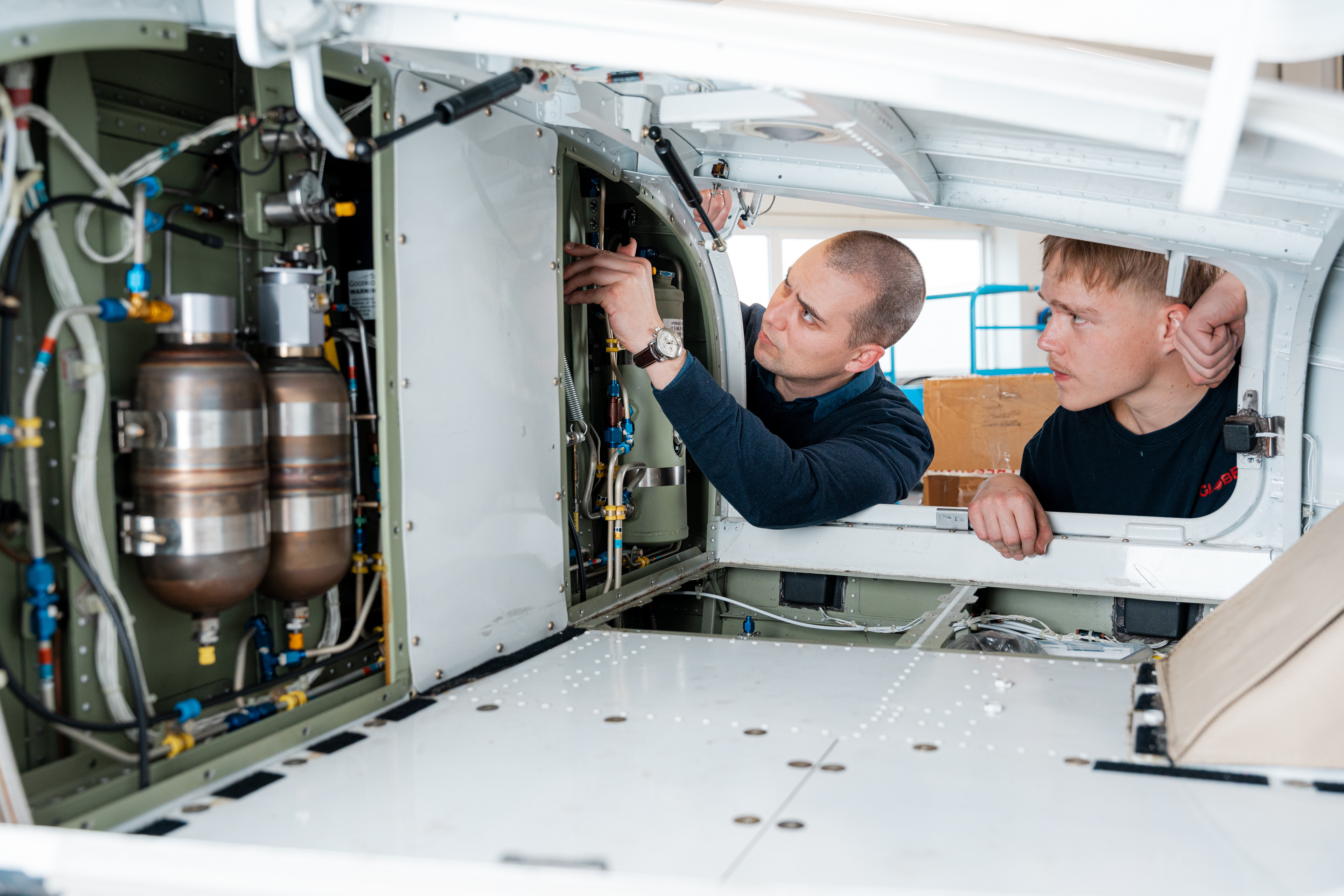
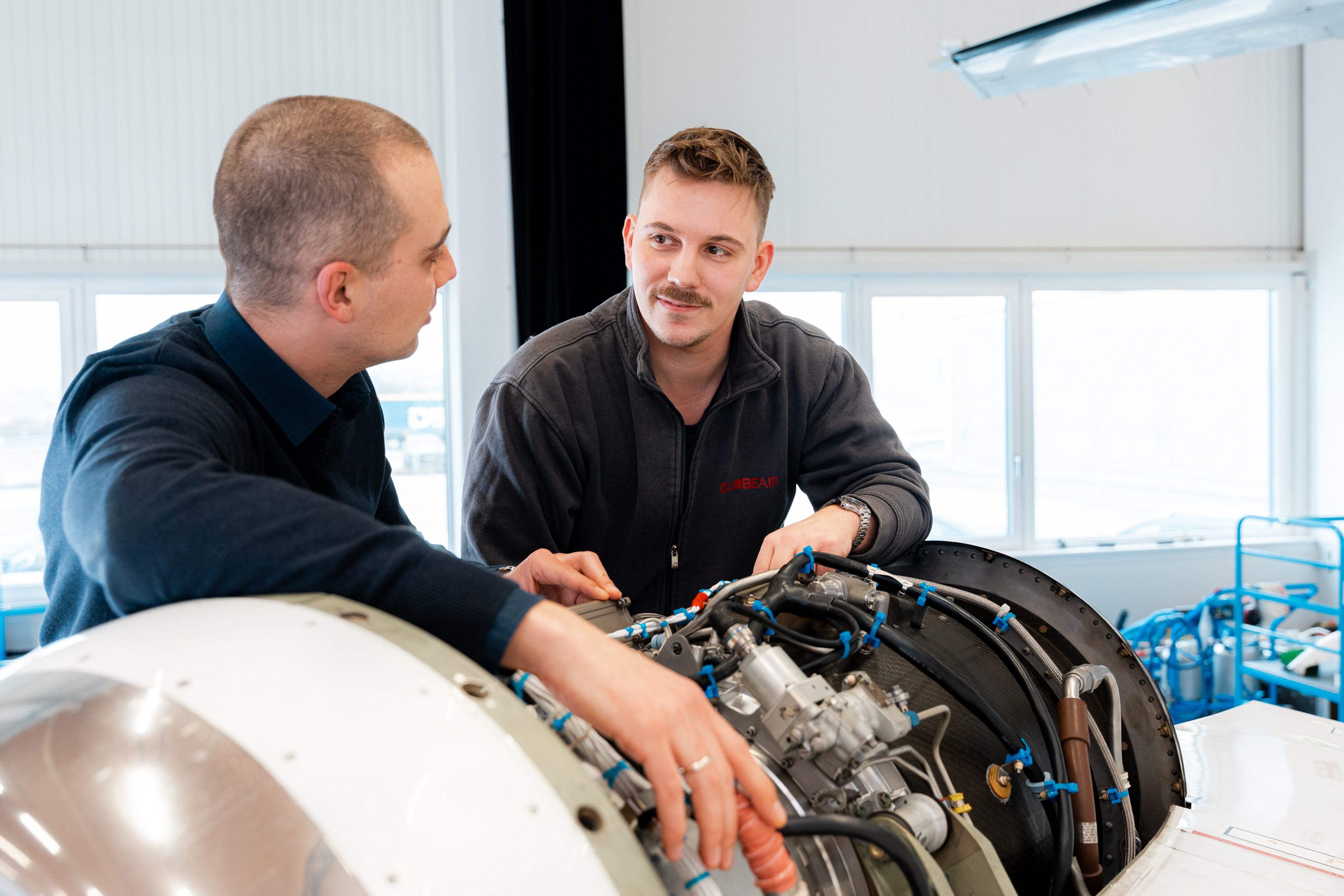
They inspect, maintain, and repair aircraft systems, including engines, structures, and avionics, to ensure safety and compliance. An aircraft maintenance engineer also follows approved maintenance procedures and safety standards to keep aircraft airworthy. Their work supports business jets, general aviation aircraft, and approved utility aircraft across the aviation industry.
What does the aircraft maintenance engineering course include?
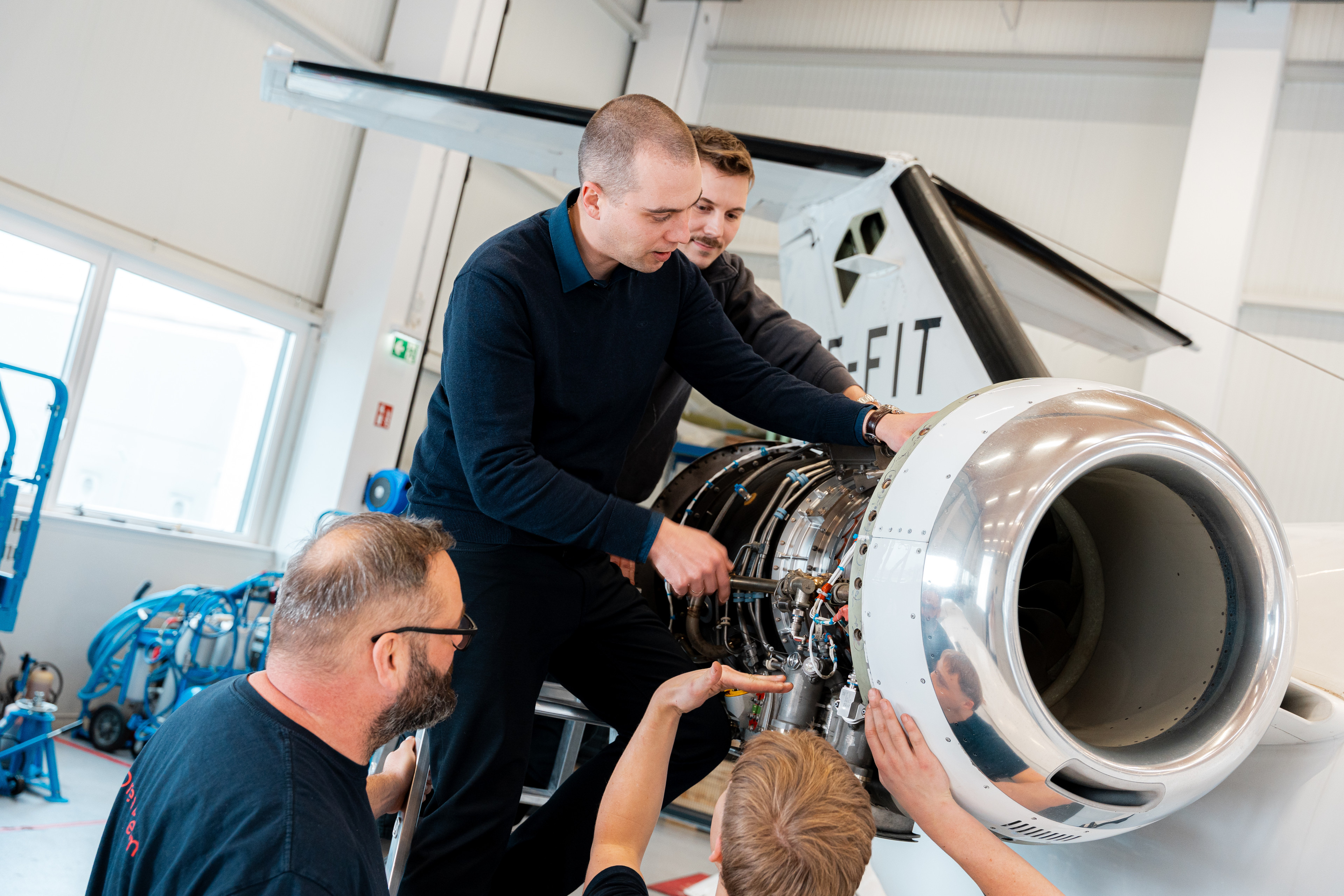
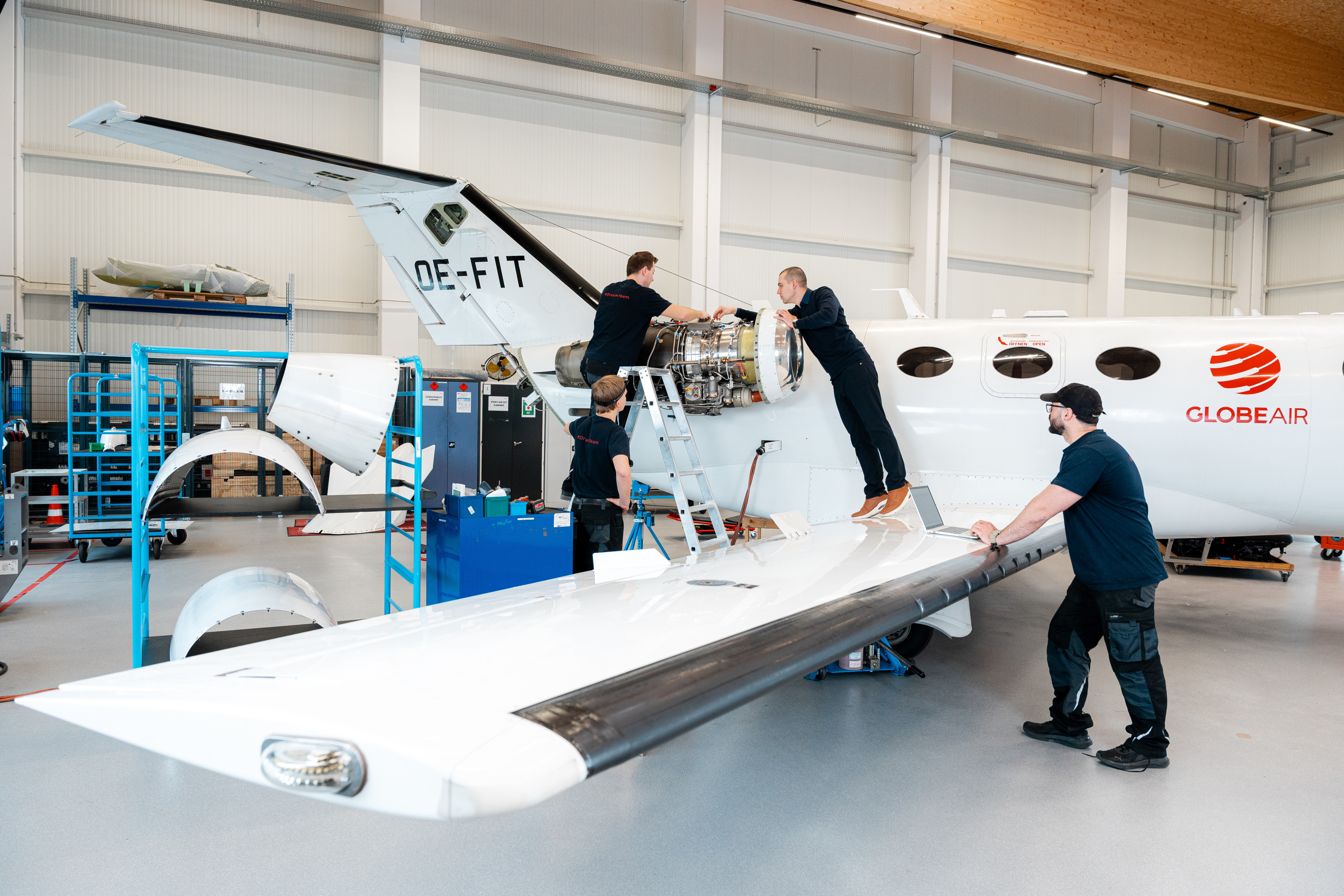
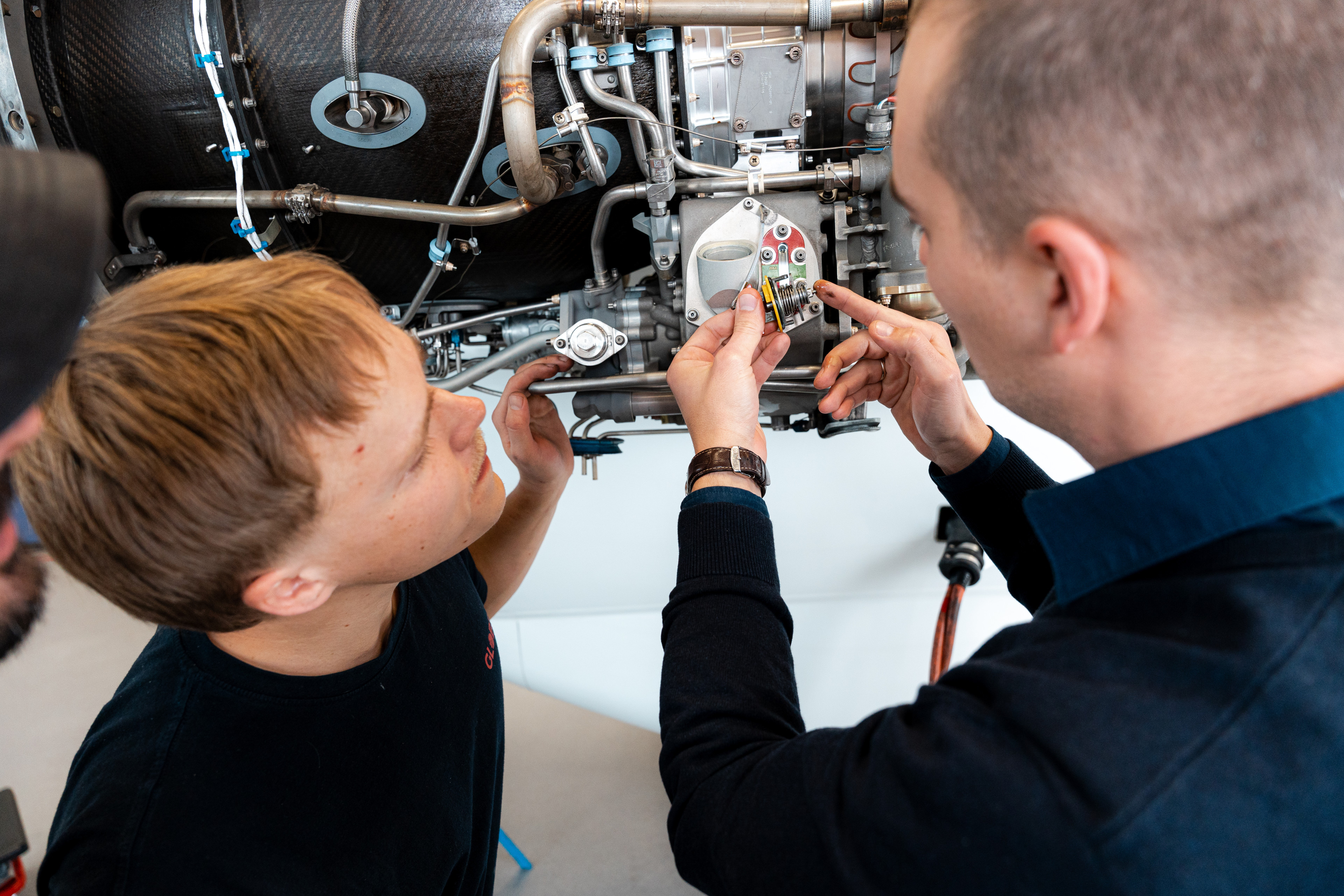
The course combines theory with hands-on training. Students learn about aircraft systems, engines, and human factors.
It also covers aviation law and the use of maintenance manuals. These lessons help students build the key skills needed for work in aircraft maintenance and aerospace operations across business aviation and specialised operational environments.
What are the typical qualification and entry requirements?
Applicants should hold a background in engineering, mathematics, or physics, or have completed an aviation college or apprenticeship programme. English proficiency is essential. All students must meet the English language requirements for aviation education. Applicants with prior practical experience may qualify for advanced entry to this full time professional programme.
How long is the B1 aircraft licence course?
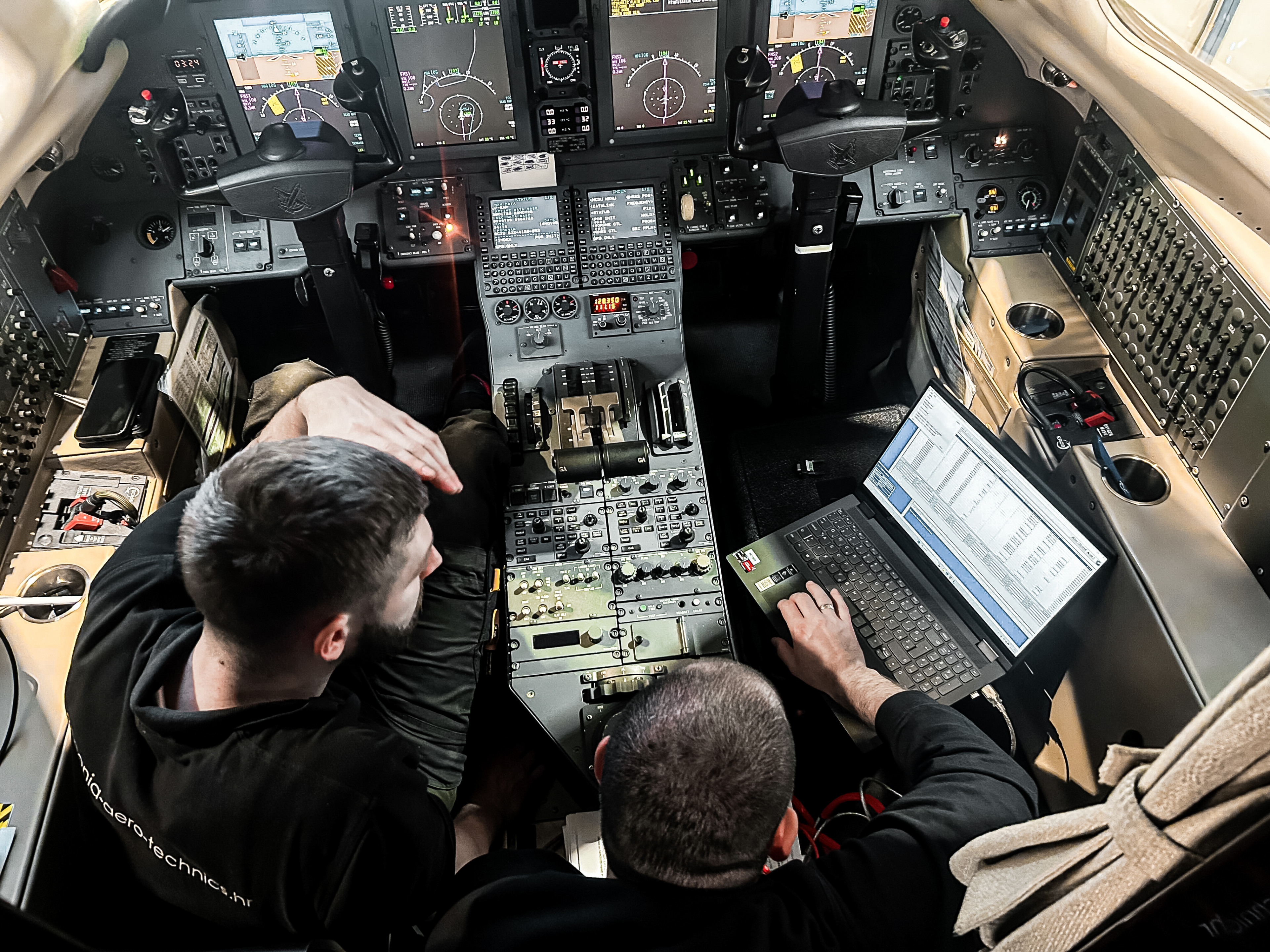
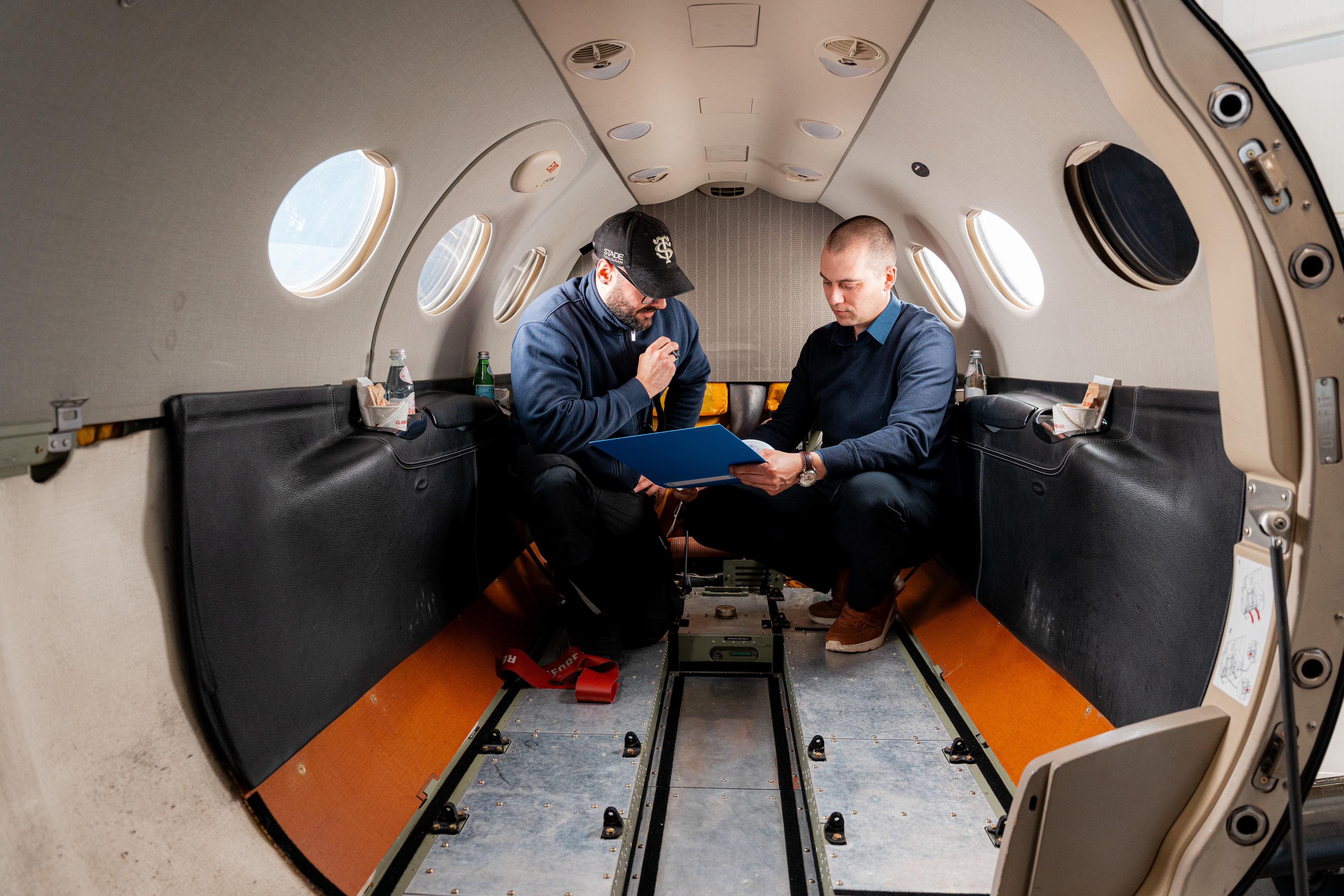
The course lasts six weeks, with four weeks of theory and two weeks of practice. Students train on operational aircraft, learning both mechanical and avionics systems. This structured schedule is designed to build professional competence for work in the aviation industry, including business jet and utility aircraft maintenance environments.
Which aircraft types does GlobeAir Aviation Academy provide training for?
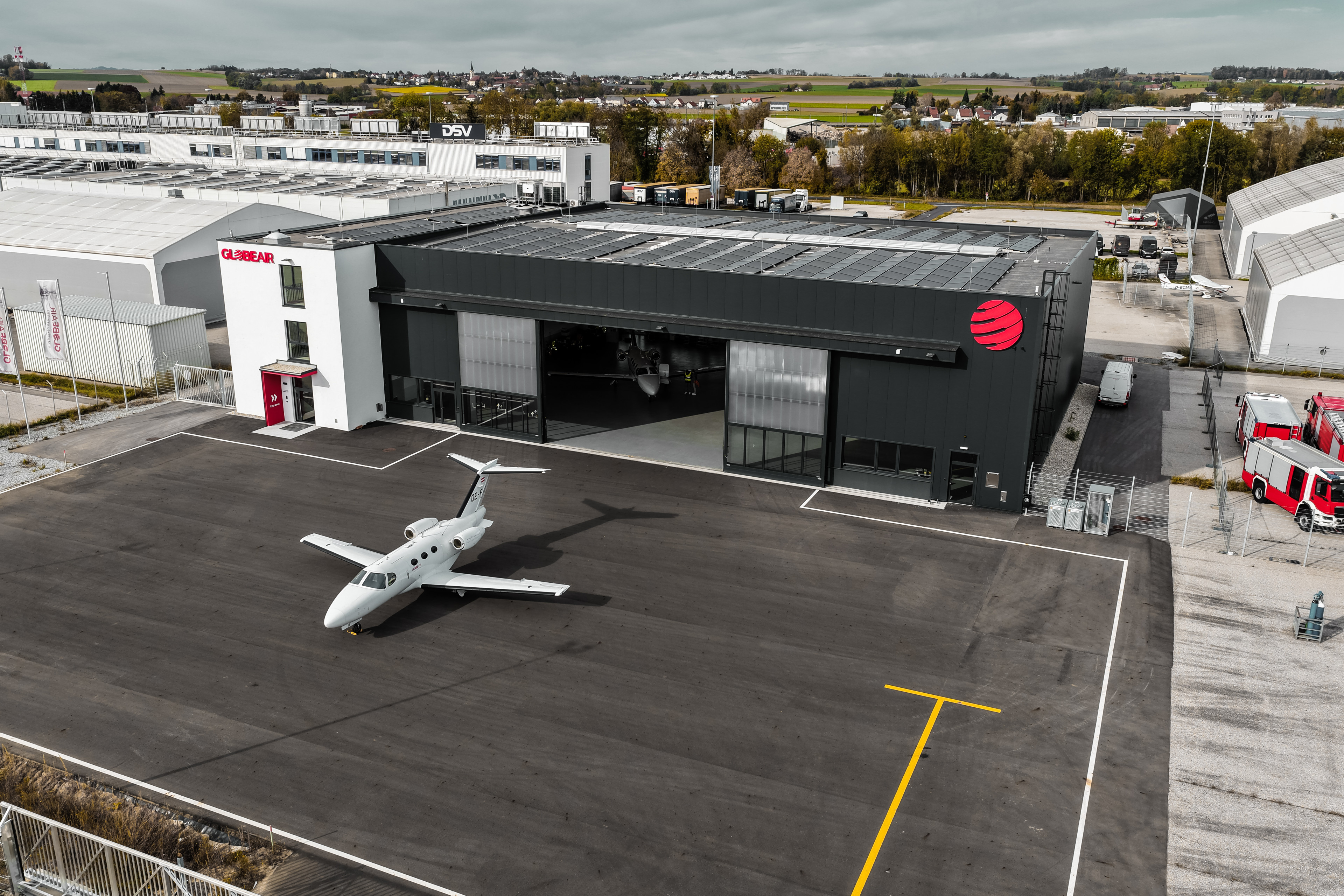
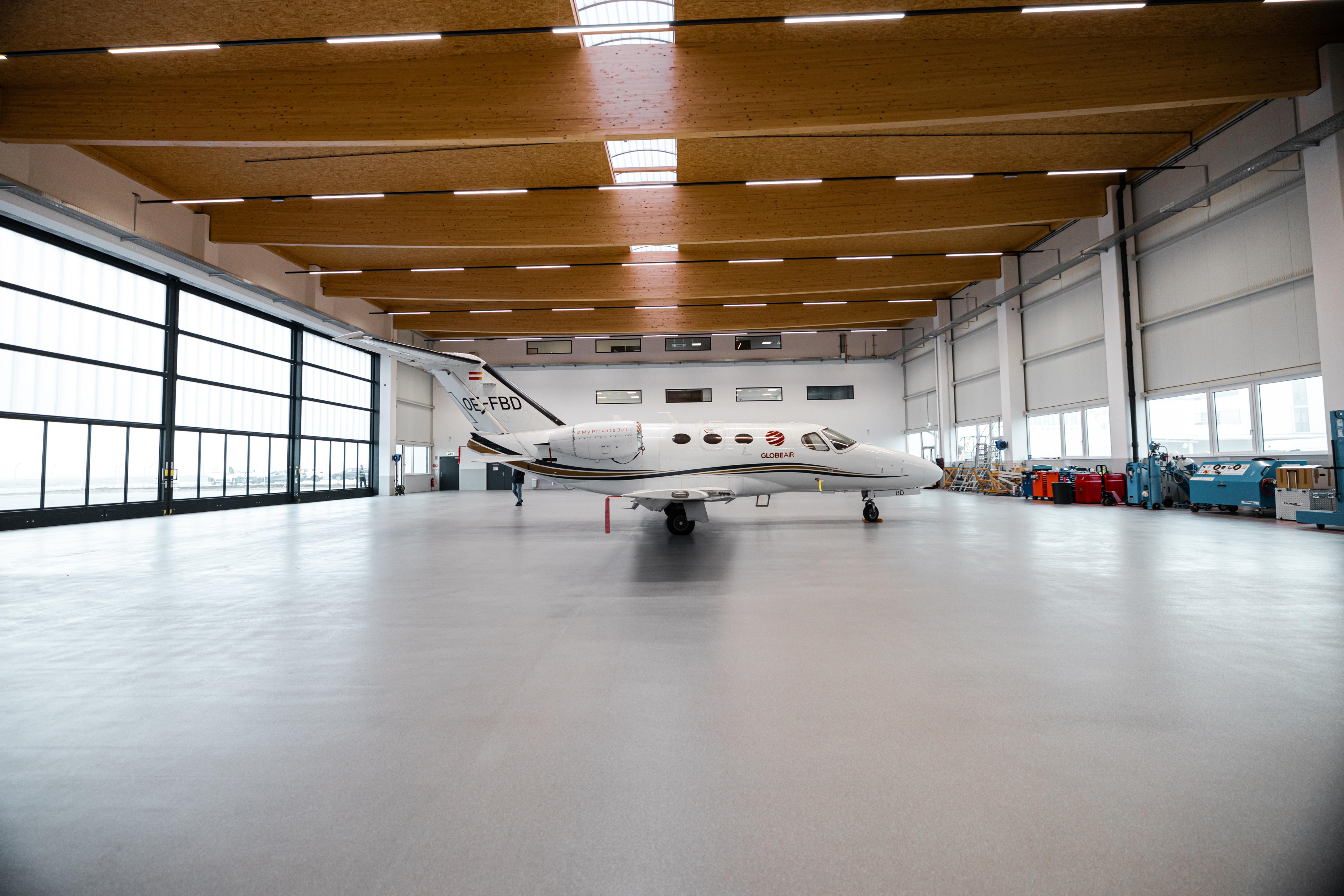
GlobeAir Aviation Academy provides EASA Part 147 approved aircraft maintenance training for selected business jet and utility aircraft types. Current programmes include Cessna business jets as well as the Air Tractor AT-800 series (PWC PT6), delivered through theoretical and practical training aligned with EASA standards.
Can international students apply?
Yes. We welcome international applications from students around the world.
Our admissions team helps with visas, documentation, and course selection. Theory can be completed online, and the practical part takes place at our training campus in Croatia or Austria. This flexible model attracts university graduates and professionals seeking hands-on aircraft maintenance experience.
What qualification will I receive after completion?
Graduates receive an EASA Part 147 Certificate of Recognition in aircraft maintenance engineering. This qualification allows engineers to work on business jets, general aviation aircraft, and approved utility aircraft worldwide. It enhances professional opportunities and career growth within the aviation industry.
Are there open days or related courses?
Yes. You can contact our team to arrange an open day at the academy.
At present, GlobeAir Aviation Academy offers Type Rating Training for B1 and B2 certification, covering multiple aircraft types used in business aviation and specialised operations.
What is the salary of AME?
Across Europe, certified Aircraft Maintenance Engineers typically earn between €35,000 and €70,000 per year.
Salaries vary by aircraft type, experience, and qualification level. Engineers in senior maintenance or supervisory roles may earn higher salaries.
How much does an aircraft maintenance engineer earn in the UK?
In the United Kingdom, licensed aircraft maintenance engineers usually earn between £40,000 and £75,000 per year. Pay depends on experience, employer, and the aircraft types maintained.
Can you make 100k as an Aircraft Mechanic?
Yes. Senior engineers and certifying staff in large maintenance organisations can earn more than £100,000. These high-level positions often include management or airworthiness duties within the aviation industry.